Group Event Ideas for Get-Togethers
Plan group event ideas for beach get-togethers, from outings and games to icebreakers, participation prompts and recurring meetups that keep everyone involved.

Contents
- Start with the size and mood of the group
- Choose one anchor activity for the day
- Icebreakers that fit a seaside setting
- Games and get-together activities that include everyone
- Plan group outing activities beyond the sand
- Make recurring outings easy to repeat
- Use a generator and random lists for fresh ideas
- Handle food, gear and safety without stress
- Questions about group event ideas
- What are good group event ideas for a beach get-together?
- How do I get everyone involved at a group event?
- What are some recurring group outing ideas?
- How does a group activity generator help?
- What group outing activities work for mixed ages and abilities?
- What should I bring to a beach group get-together?
Group event ideas work when they match the crew, the space and the effort people can give. A beach get-together gives you sand, water and open room, so the activity itself can stay simple. Choose one anchor activity, add one easy group game and let people join at their own pace.
- Pick one anchor activity for the day and build the rest around it.
- Add an icebreaker early so people who do not know each other start talking.
- Give quiet guests a role such as timekeeper, scorekeeper or photographer.
- Keep a short list of backup ideas ready for weather and low energy.
- Rotate hosts or themes for recurring outings so the planning stays shared.
Start with the size and mood of the group
Group event ideas succeed or fail on fit, so size and mood come first. A crew of six can play fast and loud games, while a mixed group of twenty needs stations and room. Ask each person how much movement they want before you lock the plan.
Mood sets the energy level, and the ocean helps here. Some groups want competition, others want conversation with their feet in the sand. A calm group can still play, as long as the games reward talk and teamwork more than speed.
Age and ability shape the plan just as much as numbers. Choose group activities that can be adjusted on the spot, such as a shorter course or a slower turn order. Write the adjustment into the plan so nobody has to negotiate it during the event.
Choose one anchor activity for the day
A beach get-together needs one anchor activity that fills the middle of the day. Beach volleyball, a sandcastle build, a relay course or a guided swim all work as anchors. The anchor gives the group a shared focus and a natural start time.
Anchor activities work because they absorb people of different skill levels. A sandcastle build lets a skilled builder lead while others carry water and shape walls. A relay course gives fast movers a role and careful movers a job as judges.
Plan the anchor around the tide, the sun and the space you have. Set up away from swim zones and leave a clear path for other beach users. A trained lifeguard or instructor belongs on any activity that involves water beyond wading.
Icebreakers that fit a seaside setting
Icebreakers for groups work best when they use the place, not a meeting room. A beach icebreaker can be as simple as a two-minute pair walk with one question each. The sand and the sound of the water soften the awkwardness of first conversations.
Try a name-and-one-fact circle before the anchor activity starts. Each person gives a name and one thing they can do with their hands, such as braid, carve or flip a pancake. The facts become conversation starters for the rest of the day.
Keep icebreakers short and move on before they drag. Ten minutes is enough for a circle, and a pairing game can run while people arrive. No one should be asked to perform alone in front of the whole group.
Games and get-together activities that include everyone
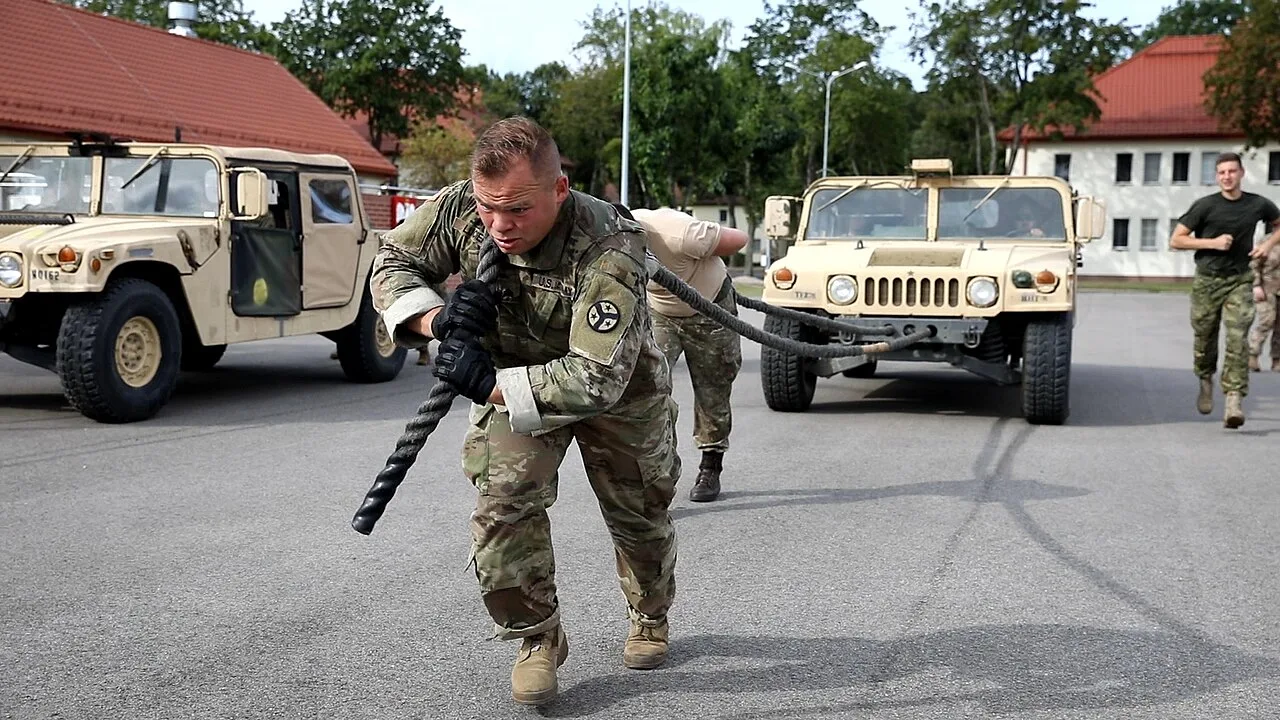
Get-together games work when every player has a job at every moment. Team relays, beach bocce, tug-of-war and water-bucket races give everyone a turn. Rotate teams between rounds so the same players do not sit out repeatedly.
Participation prompts keep non-players involved without forcing them onto the field. A scorekeeper, a timekeeper and a photographer are real roles that shape the day. Offer these jobs openly so quiet guests can claim them without pressure.
Group activities at gatherings need a clear rule set that people can learn in one minute. Write the rules on a card and put it where everyone can see it. Explain the rules once, then start a practice round before the real one.
- Team relay with mixed-skill teams
- Beach bocce or a ring toss
- Sandcastle build judged on teamwork
- Water-bucket fill race along a marked line
- Tug-of-war with even teams
- Photo scavenger hunt with a short list
Plan group outing activities beyond the sand
Group outing activities can combine the beach with one nearby stop. A morning walk along the shore followed by a picnic lunch gives the group two rhythms. A short boat trip or a pier visit adds variety without a long drive.
Seasonal group outing ideas depend on what the coast offers in that month. Off-season beaches suit walking, kite flying and bonfires where fires are permitted. Warm months suit swimming, paddling and long picnic meals in the shade.
Group trip activity ideas work best when the travel is short and the plan is loose. Pick a base spot and let people arrive and leave on their own schedule. A meeting point and a start time are enough structure for most outings.
Make recurring outings easy to repeat
Recurring group outing ideas need a pattern that survives busy weeks. Pick a fixed day each month, such as the first Saturday morning. A predictable slot removes the back-and-forth that kills repeat meetups.
Rotating host ideas spread the work across the group. Each host picks the anchor activity, brings the main gear and sets the meeting spot. The host role can also rotate to a different family or pair each time.
Repeat group activities build skill and ritual. A monthly sandcastle contest or a regular beach walk lets people improve and look forward to the next one. Recurring beach outings also make planning faster, because the gear list and the spot stay the same.
| Format | What the host arranges | What guests bring |
|---|---|---|
| Monthly beach picnic | Meeting spot and shade | Food to share and a chair |
| Rotating game day | Anchor game and rules card | Water and sun protection |
| Seasonal shore walk | Route and start time | Walking shoes and a snack |
Use a generator and random lists for fresh ideas
A group activity generator helps when the crew has run out of ideas. Feed it the group size, the setting and the energy level, then pick from what comes back. Treat the output as a starting point and adjust it to the people and the beach.
Random idea lists work the same way, with a bias toward variety. A short list of five options is enough for a group to vote on. Voting takes a minute and gives everyone a stake in the choice.
Keep the ideas realistic for the site. A generator cannot know about tides, parking or local fire rules, so check those details yourself. Cross out any idea that needs gear nobody owns or a skill nobody has.
Handle food, gear and safety without stress
Party planning ideas for a beach get-together start with a simple food plan. Ask each household to bring one dish and one drink to share. Label dishes with ingredients so guests with allergies can choose safely.
Gear lists prevent the small failures that spoil a day. Shade, water, sunscreen and a first aid kit belong on every list. A spare bag for trash keeps the beach clean and the group welcome to return.
Safety comes before any game on sand or water. Set boundaries for swimmers and check the water conditions before anyone enters. Any activity that involves water rescue, boats or fires needs a trained specialist or a local permit.
Questions about group event ideas
What are good group event ideas for a beach get-together?
Good group event ideas for a beach get-together combine one anchor activity with one easy game. A sandcastle build, a team relay or a beach walk gives the group a shared focus. Add an icebreaker at the start and roles for people who prefer to watch.
How do I get everyone involved at a group event?
Group participation at events improves when every person has a named role. Offer jobs such as scorekeeper, timekeeper or photographer alongside the games. Rotate teams between rounds so no one sits out for long.
What are some recurring group outing ideas?
Recurring group outing ideas work best with a fixed day and a rotating host. A monthly beach picnic, a rotating game day or a seasonal shore walk keeps the pattern simple. The host sets the spot and brings the main gear.
How does a group activity generator help?
A group activity generator gives you a quick list of options based on group size, setting and energy level. It saves time when the crew cannot agree on a plan. Check each idea against the site, the gear you own and the skills in the group.
What group outing activities work for mixed ages and abilities?
Group outing activities for mixed ages work when rules can be adjusted on the spot. Beach bocce, a sandcastle build and a short relay course let people play at their own pace. Pair fast movers with slower ones and give everyone a turn.
What should I bring to a beach group get-together?
A beach group get-together needs shade, water, sunscreen and a first aid kit. Ask each household to bring one dish and one drink, plus their own chair or towel. A trash bag and a rules card for the games finish the list.