Which Dance Style Is Best for Beginners
A plain guide to picking a first dance style, with a dance styles comparison, difficulty levels and beginner-friendly dances for a beach gathering.
Contents
- Match the style to your goal
- Compare the difficulty levels
- Set up beginner-friendly dances on sand
- Questions about picking a first dance style
- Which dance is best for beginners?
- What makes a dance style easier to learn?
- Are partnered dances harder than solo dances for a first timer?
- Can I learn a dance style for a beach party in one session?
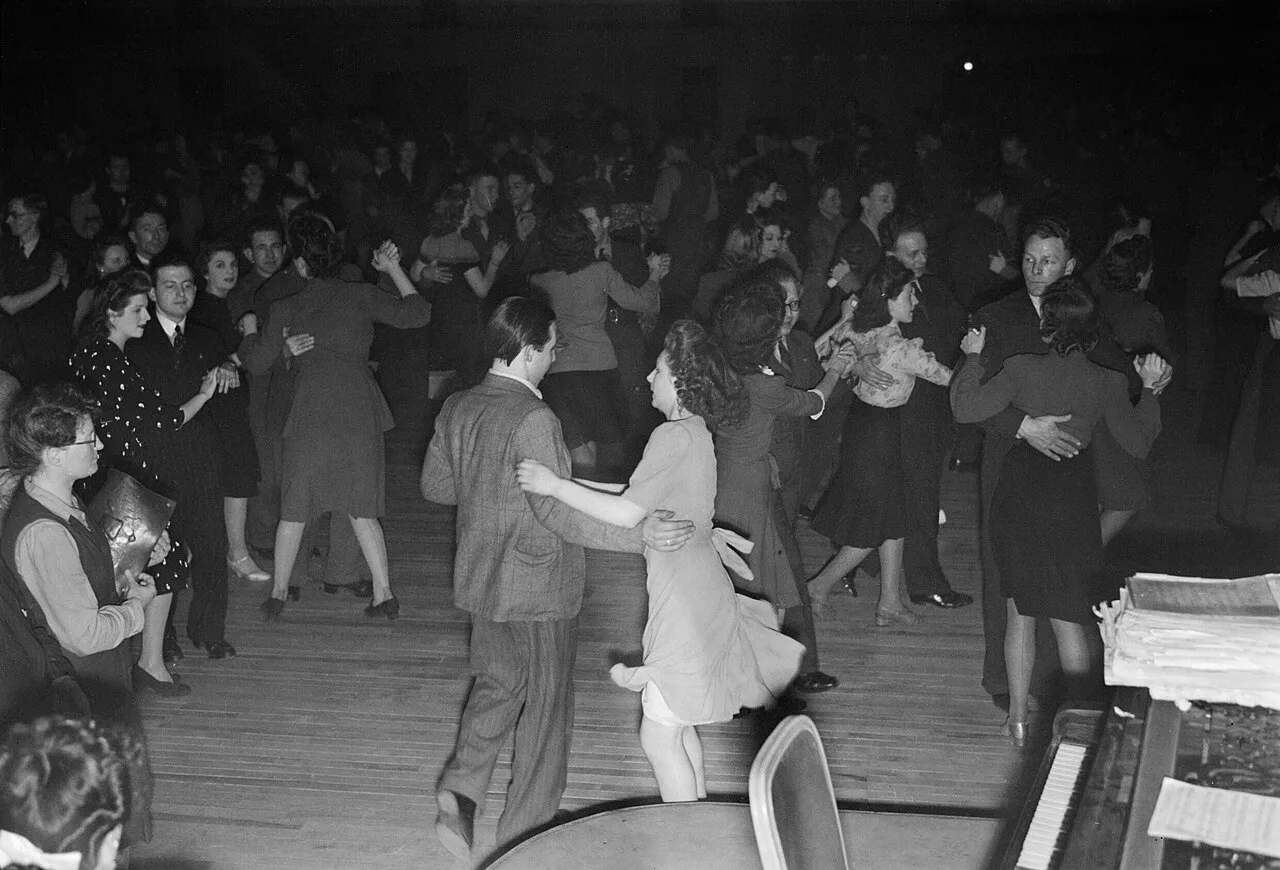
Which dance style is best for beginners depends on what you want from it, so the honest answer is to match the style to your body, your space and your goal. A slow partner dance suits people who want structure and a hand to hold. A loose social groove suits people who would rather move to the music than learn a fixed pattern. This page compares the choices by difficulty level and shows how each one fits a seaside party.
Match the style to your goal
Choosing a dance style starts with naming what you want from the lesson, and that decides more than talent does. People who want a steady partner and clear steps do well with a partnered social dance, where a lead and a follow share the work. People who want to move alone and feel the beat do well with a freestyle groove built on simple weight shifts. Beach dancing favors styles that need no floor and no fixed partner, because sand shifts under the foot.
Compare the difficulty levels
A dance styles comparison is easier when you separate the entry cost from the ceiling, because every style has a simple layer and a complex layer. Partner dances ask you to learn a frame and a lead-and-follow signal before the steps feel natural. Solo grooves ask you to find the beat and coordinate hips, knees and arms, which is a different kind of work. Styles that borrow from partnered and solo movement sit in the middle, since they demand rhythm and a partner but allow loose footing.
Set up beginner-friendly dances on sand
Beginner-friendly dances on a beach need bare feet, flat ground above the tide line and music loud enough to hear over the surf. A stretch of packed sand near the water gives grip, and a patch of dry sand cushions a fall. Keep the group small enough that everyone can see the demonstration, and face the dancers away from the sun. A speaker on a towel is safer than one balanced on a cooler, since a knocked-over speaker can break.
Questions about picking a first dance style
Which dance is best for beginners?
No single dance is best for beginners, because the right style depends on whether you want a partner and how much structure you enjoy. A partnered social dance gives you a frame and clear steps to copy. A solo groove gives you freedom and asks only that you find the beat. Try one lesson of each before you commit to a class.
What makes a dance style easier to learn?
A dance style is easier to learn when its basic step repeats and its timing is steady. Styles built on a simple walking rhythm let you join the music in the first session. Styles that mix many body parts at once take longer to feel natural. Ask an instructor how many basic patterns a beginner learns first, and pick a style with a short list.
Are partnered dances harder than solo dances for a first timer?
Partnered dances are not harder than solo dances, but they ask for a different skill. A partnered style needs a firm frame, a clear lead and a follow who reads the signal. A solo style needs rhythm and coordination without a second person. Sand makes partnered turns harder, so practice those on a firm surface first.
Can I learn a dance style for a beach party in one session?
You can learn a few moves of a dance style in one session, though a full style takes longer. A short lesson before the party is enough to cover a basic step, a turn and a simple finish. Keep the playlist to one or two rhythms so the group stays on the same beat. Warm up first, since cold muscles on uneven sand strain more easily.
Read next
-
 Easy Beach Party Dance Moves
-
 Plan an Acoustic Jam Session at the Beach: A Guide to Seaside Music and Dancing
-
 Plan a Beach Dance Party: Music, Floor, and Theme Ideas
-
 Find a Beach Dance Party Near You: A Guide to Shagging, Grooving, and Gathering by the Shore
-
 What to Wear to a Beach Dance Party: Outfit Ideas for Beach Music and Dancing
-
 Build a Beach Party Playlist for Your Group
-
 How to Choose a Portable Bluetooth Speaker for a Beach Get-Together